Integrating Skylights and Sensor-Driven LED Illumination
Liter Team
November 11, 2026 · 5 min read
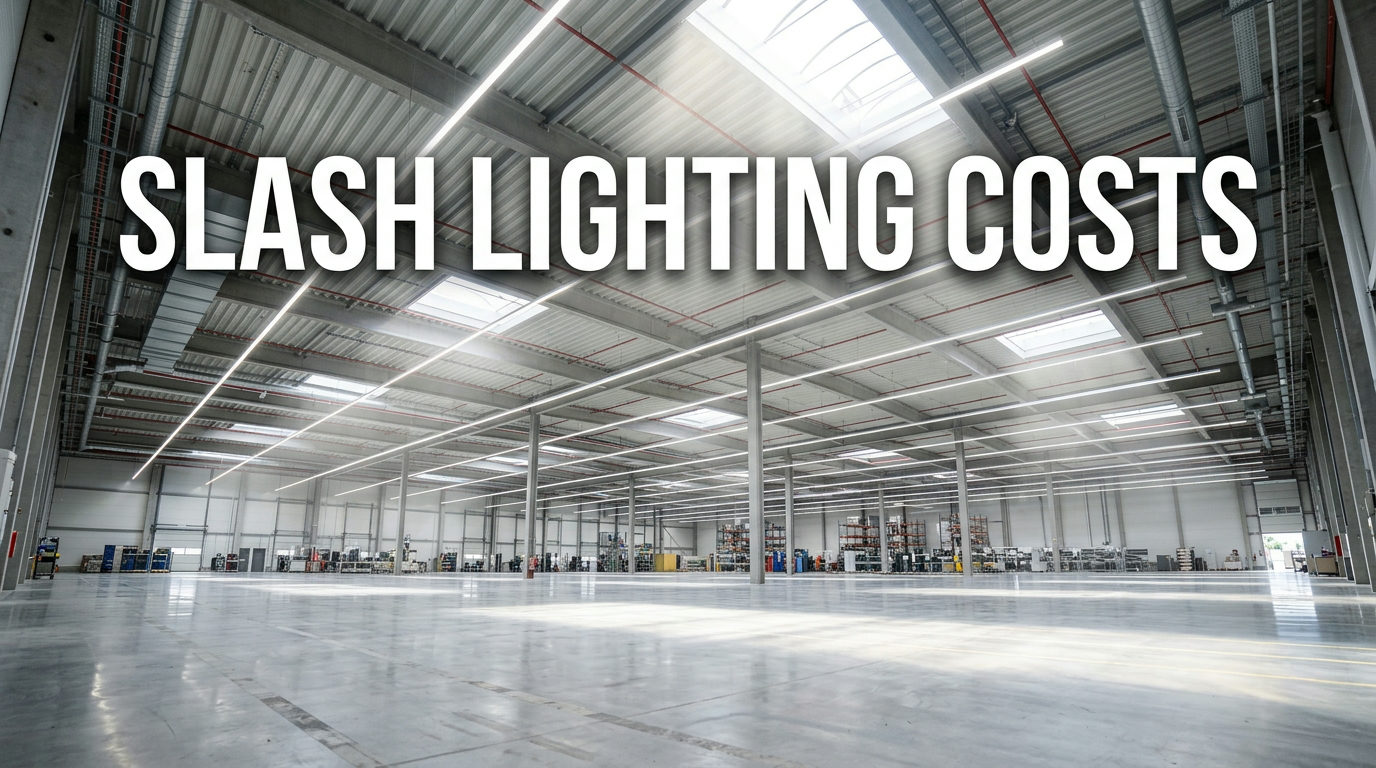
Energy waste in industrial facilities often hides in plain sight, specifically in the overhead fixtures that run 24/7 regardless of natural light availability. Integrating skylights with advanced sensor-driven illumination creates a hybrid environment that slashes operational costs while improving worker performance. As a sustainable commercial LED lighting supplier, we recognize that the most efficient lighting strategy is one that harmonizes artificial sources with the natural rhythm of the sun.
The ROI of Choosing a Sustainable Commercial LED Lighting Supplier
Transitioning to high-efficiency illumination is no longer just about compliance; it is about building a resilient infrastructure. When a facility manager selects a sustainable commercial LED lighting supplier, they are investing in vertical manufacturing processes that prioritize raw material traceability and long-term durability. Unlike standard fixtures that require replacement every two to three years, industrial-grade LEDs are engineered for 50,000 to 100,000 hours of operation.
The synergy between skylights and LED technology hinges on "daylight harvesting." By installing sensors that detect the lumen output provided by skylights, the LED system automatically dims or brightens to maintain a consistent foot-candle level. This prevents the common mistake of "over-lighting" a space when natural sunlight is at its peak, potentially reducing energy consumption by an additional 30% beyond the savings of the LEDs alone.
Maximizing Efficiency with Sustainable Industrial Luminaires
Industrial environments present unique challenges, such as high heat, dust, and vibration. Sustainable industrial luminaires are specifically designed with thermal management systems that dissipate heat effectively, preventing the premature degradation of the light engine. This is critical in facilities where skylights may increase ambient temperature during summer months.
Consider the technical requirements of a heavy manufacturing plant:
- High IP (Ingress Protection) ratings to prevent moisture and particulate damage.
- IK ratings for impact resistance in high-traffic zones.
- High color rendering index (CRI) to ensure safety and precision in assembly lines.
- Modular designs that allow for driver replacement without discarding the entire housing.
By using sustainable luminaires, companies move away from the "disposable" hardware cycle. We focus on aluminum housings that are fully recyclable and drivers that operate with 95% efficiency, ensuring that every watt pulled from the grid is converted into usable light rather than wasted heat.
The Impact of Natural and Artificial Light on Human Centricity
The "sky light" effect—whether through actual windows or high-quality LED panels that mimic the sun’s spectral distribution—has a profound impact on the circadian rhythms of employees. Poor lighting leads to eye strain, headaches, and fatigue, which directly correlate to workplace accidents. By balancing natural skylight with flicker-free LED fixtures, facilities create an environment that supports alertness and mental well-being.
Optimizing Large-Scale Warehouse LED Lighting Fixtures
Warehouses often suffer from "dark spots" between high-density racking. While skylights provide excellent ambient light for the top layers of inventory, they rarely penetrate the lower aisles. This is where warehouse LED lighting fixtures with specialized optics become essential. Linear high bays and UFO high bays can be configured with narrow-beam angles to cast light exactly where it is needed, avoiding waste in unoccupied areas.
Strategic placement involves:
- Mapping skylight locations to identify areas where artificial light can be minimized during the day.
- Implementing motion sensors in low-traffic aisles to ensure fixtures only activate when necessary.
- Utilizing zig-bee or DALI control systems to group lights based on the facility’s functional zones.
A typical 200,000-square-foot warehouse switching from metal halide to optimized LED systems can see a payback period of less than 18 months. When factoring in the reduced maintenance costs—eliminating the need for specialized lifts to change bulbs—the long-term financial benefits are undeniable.
Engineering for Longevity: The Vertical Manufacturing Advantage
The difference between a generic fixture and a high-performance industrial light lies in the R&D. Because we control the manufacturing process from design to assembly, we can customize the light distribution to complement the specific architecture of a building’s skylights. This bespoke approach ensures that the sustainable commercial LED lighting supplier you choose is providing a solution, not just a product.
Vertical manufacturing also allows for stricter quality control over the phosphors used in the LEDs. This prevents "color shift" over time, ensuring that the artificial light continues to blend seamlessly with natural daylight for the duration of the fixture's life. This consistency is vital for retail spaces and high-end commercial offices where aesthetic integrity is as important as energy savings.
Beyond Energy: The Environmental Responsibility
Sustainability in lighting extends to the reduction of light pollution and the elimination of hazardous materials. Traditional fluorescent and HID lamps contain mercury and lead, requiring specialized disposal processes. In contrast, modern LED luminaires are mercury-free and comply with RoHS standards. By reducing the overall energy demand of a facility, businesses lower their carbon footprint, contributing directly to ESG (Environmental, Social, and Governance) goals that are increasingly prioritized by investors and stakeholders.
"True sustainability is the intersection of high-performance engineering and responsible resource management. It is not enough to save energy; we must also ensure the hardware itself does not become a future environmental burden."
Furthermore, the precision of modern LED optics ensures that light is directed downward, reducing "sky glow" and protecting the local nocturnal ecosystem. This is particularly relevant for outdoor industrial sites, parking lots, and loading docks where light spill can negatively impact surrounding communities.
Future-Proofing Your Facility
The integration of IoT (Internet of Things) into lighting systems is the next frontier. Smart fixtures can now collect data on occupancy patterns and temperature fluctuations. This data can be used to further optimize HVAC systems, creating a truly intelligent building. As technology evolves, having a modular lighting system means you can upgrade sensors and communication modules without replacing the luminaires themselves, embodying the core principles of a circular economy.
Combining the natural benefits of skylights with the precision of high-efficiency LED technology is the most effective way to modernize a commercial or industrial space. By selecting the right sustainable commercial LED lighting supplier, your business gains access to technology that reduces overhead, improves safety, and minimizes environmental impact. Are you ready to optimize your facility’s lighting design for a more sustainable future?