Financial Impacts of an Energy Efficient Warehouse LED Lighting Retrofit
Liter Team
November 10, 2026 · 5 min read
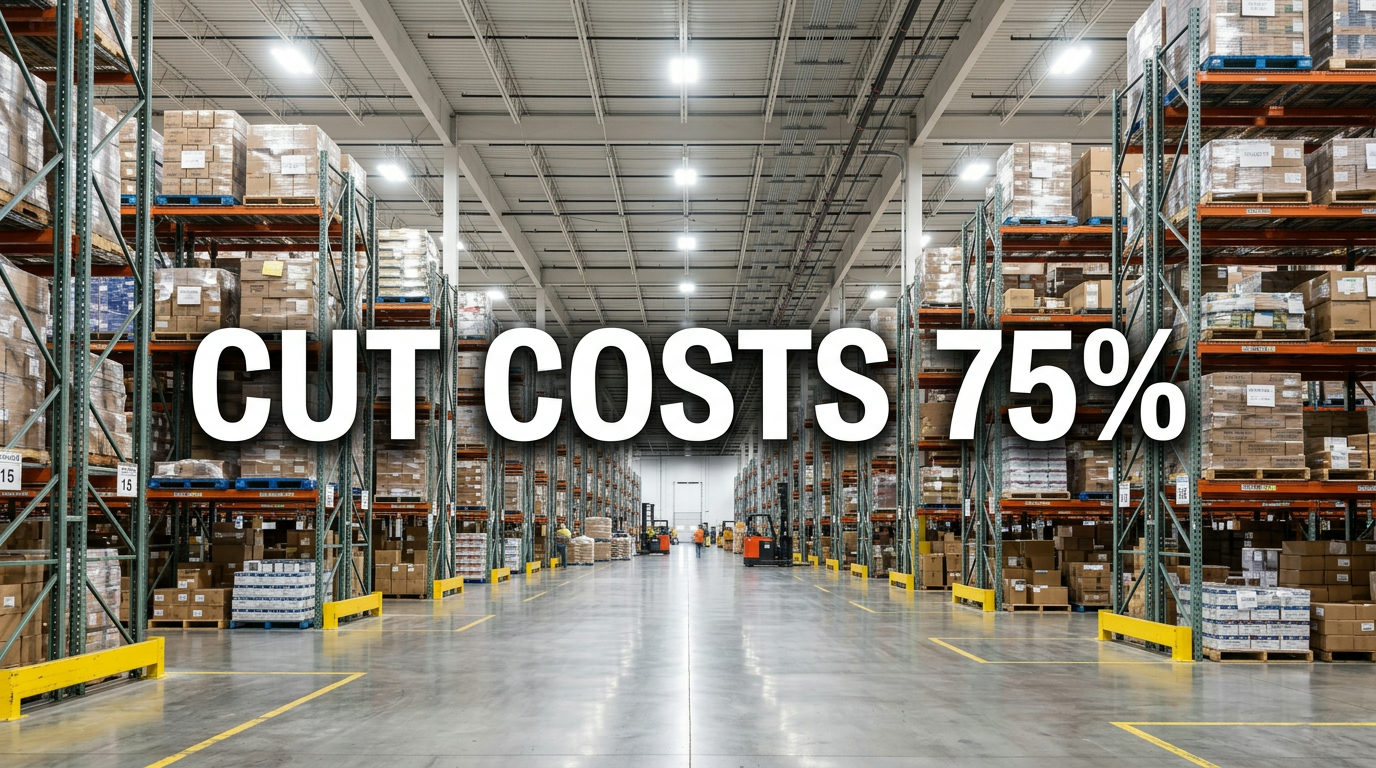
A standard 100,000-square-foot warehouse utilizing outdated metal halide or T12 fluorescent fixtures loses thousands of dollars annually to heat dissipation and lumen depreciation. Switching to an energy efficient warehouse LED lighting retrofit is no longer a matter of simple maintenance; it is a critical operational upgrade that directly impacts the bottom line and employee safety. Transitioning to modern, smart-controlled systems reduces energy consumption by up to 75% while providing superior visibility in high-rack environments.
The Financial Impact of an Energy Efficient Warehouse LED Lighting Retrofit
The primary driver for upgrading industrial lighting is the drastic reduction in kilowatt-hour (kWh) consumption. Conventional high-intensity discharge (HID) lamps, such as metal halides, are notorious for their inefficiency. A 400-watt metal halide lamp actually draws closer to 458 watts when accounting for the ballast. In contrast, a high-output LED fixture can produce the same or better lumen output using only 150 watts.
For a facility operating 24/7, this difference translates to significant monthly savings. Beyond the utility bill, the maintenance cycle of older tech creates hidden costs. HID bulbs require frequent replacement and a "warm-up" period, leading to downtime. LEDs engineered for longevity offer 50,000 to 100,000 hours of operational life, virtually eliminating the need for expensive lift rentals and labor costs associated with high-ceiling maintenance.
Maximizing ROI Through Sustainable Industrial Luminaires
When selecting sustainable industrial luminaires, facility managers must look beyond the initial purchase price. The Total Cost of Ownership (TCO) includes installation, energy rebates, and the durability of the housing. High-quality fixtures utilize advanced thermal management to ensure the LEDs do not overheat, which is the leading cause of premature failure in industrial settings. By investing in fixtures with high-grade aluminum heat sinks and precision optics, companies ensure their retrofit remains viable for over a decade.
Advanced Optics and Precision Lighting for High-Bay Facilities
Warehouse environments present unique optical challenges. Narrow aisles and tall racking systems create shadows that can lead to picking errors or forklift accidents. A generic light replacement often fails because it spreads light too wide, wasting energy on the tops of racks rather than the floor and work surfaces.
Custom commercial LED fixtures allow for specialized beam angles, such as 60° or 90° distributions, which direct light exactly where it is needed. This precision ensures that vertical lux levels are sufficient for reading labels at the highest shelf levels without causing glare for operators at ground level.
- Reduced Glare: High-quality diffusers prevent "hot spots" that strain the eyes of workers looking upward.
- Color Rendering Index (CRI): Modern LEDs offer a CRI of 80 or higher, making it easier for staff to distinguish between color-coded packaging or labels.
- Instant-On Capability: Unlike HIDs, LEDs reach full brightness instantly, which is vital for safety during power fluctuations or emergency restarts.
Integrating Smart Technology and Controls
The true power of an energy efficient warehouse LED lighting retrofit lies in intelligent controls. The most efficient light is the one that is turned off when not needed. Modern industrial systems integrate seamlessly with motion sensors and daylight harvesting technology.
Occupancy Sensing in Low-Traffic Zones
In massive distribution centers, large sections of the floor may remain unoccupied for hours. Occupancy sensors can dim lights to 10% or turn them off entirely when no motion is detected. As a forklift enters an aisle, the lights transition to 100% brightness ahead of the vehicle. This granular control can add an additional 20-30% in energy savings on top of the LED conversion itself.
Daylight Harvesting and Ambient Regulation
Facilities with skylights or large loading dock doors can take advantage of daylight harvesting. Photo-sensors measure the amount of natural light entering the building and automatically dim the commercial energy efficient lighting to maintain a consistent foot-candle level. This prevents over-lighting during the day and extends the lifespan of the LED drivers by reducing the load.
Compliance and Environmental Responsibility
Regulatory pressure is increasing for industrial facilities to lower their carbon footprint. Many regions now mandate specific energy codes, such as Title 24 in California or similar international standards, which require high-efficiency lighting and automatic shut-off controls. An energy efficient warehouse LED lighting retrofit ensures long-term compliance with these evolving building codes.
Furthermore, LEDs do not contain hazardous materials like mercury, which is found in fluorescent and HID lamps. This simplifies disposal and aligns with corporate sustainability goals. By reducing energy demand, facilities also lower the greenhouse gas emissions associated with power generation, contributing to a greener supply chain.
Key Considerations for a Successful Retrofit Strategy
A successful transition requires more than just swapping bulbs. A comprehensive audit of the facility is the first step. This involves measuring current light levels, identifying dark spots, and evaluating the existing electrical infrastructure. In many cases, a one-for-one replacement is not the best approach; redesigning the layout with fewer, more powerful fixtures can often yield better results.
- Thermal Environment: Ensure the fixtures are rated for the specific temperature of the warehouse, especially in cold storage or high-heat manufacturing zones.
- IP Ratings: For facilities with dust, moisture, or chemical exposure, choose luminaires with appropriate Ingress Protection (IP) ratings to prevent internal component damage.
- Rebate Eligibility: Many utility providers offer significant financial incentives for businesses that switch to certified energy-efficient lighting. Check for DLC (DesignLights Consortium) certification to maximize these returns.
Upgrading to an energy efficient warehouse LED lighting retrofit is a strategic move that enhances operational efficiency and worker safety. The combination of reduced utility costs, lower maintenance requirements, and the integration of smart controls provides a clear path to rapid ROI. By focusing on high-performance, sustainable industrial luminaires, facility managers can future-proof their operations while contributing to a more sustainable industrial landscape.
We specialize in engineering custom commercial LED fixtures that meet the rigorous demands of modern logistics and manufacturing. If you are ready to evaluate the potential savings of a lighting overhaul at your facility, our team is prepared to provide a detailed energy analysis and a tailored solution designed for longevity.